
TruPart Precision (Dongguan, China) runs Surface Finishing for CNC Parts in-house: Anodizing, Passivation, Electroless nickel, Powder coating & bead blasting. Every batch is verified — Partner applies coating per spec; our QC re-inspects every batch — thickness, adhesion, appearance; dimensions CMM-verified before dispatch. A drawing review returns a quotation with unit price, machining route, lead time and freight within 48 hours, and there is no minimum order quantity.
- Batch sizes for Surface Finishing for CNC Parts range 1–10,000+ pieces, prototype to production — no MOQ — quantity changes the unit price rather than the process.
- Inspection for Surface Finishing for CNC Parts: Partner applies coating per spec; our QC re-inspects every batch — thickness, adhesion, appearance; dimensions CMM-verified before dispatch.
- Surface Finishing for CNC Parts at TruPart Precision is quoted from the drawing; a prototype is priced on the same route as a production batch.
- The Dongguan plant that machines Surface Finishing for CNC Parts holds ISO 9001:2015 certificate 93726Q00307R001.
Finishing Options We Manage for You
Coatings below are applied by qualified partner workshops to your spec, then re-inspected batch by batch by our QC. Machining, CMM inspection and assembly stay in-house.
| Anodizing | Type II clear / black / color, typically 8–25 μm; Type III hard coat 25–100+ μm — aluminum 6061/6063/6082/7075 housings, brackets, fixtures |
| Passivation | Free-iron removal and corrosion protection — stainless 303/304/316 parts |
| Electroless nickel | Hard, uniform coating — hydraulic components, valve bodies |
| Powder coating & bead blasting | Durable or uniform matte finishes — enclosures, frames, cosmetic housings |
| Plating (zinc / hard chrome / decorative chrome / gold) | Hard chrome for wear-resistant surfaces, decorative chrome for appearance, zinc for corrosion resistance, gold plating to 99.5% purity for conductivity and contact reliability — fasteners, RF and electrical contact parts |
| Plasma nitriding | Wear-resistant surface layer on steel parts with minimal distortion and no dimensional build-up to mask — guides, shafts, tooling and die components |
| Electropolishing | Bright, burr-free stainless 303/304/316 surfaces that clean down more easily — vacuum, semiconductor and hygienic parts |
| Alodine (chem film) | Chromate conversion coating on aluminum that keeps electrical conductivity — housings, grounding and bonding surfaces |
| Black oxide | Matte black finish on steel and stainless parts with almost no dimensional change — wear surfaces and functional steel parts |
| Inspection | Partner applies coating per spec; our QC re-inspects every batch — thickness, adhesion, appearance; dimensions CMM-verified before dispatch |
| Batch | 1–10,000+ pieces, prototype to production — no MOQ |
Procurement facts — fixed before you order
| Item | What is fixed |
|---|---|
| Minimum order | No minimum order quantity. A single part and a production batch run through the same route. |
| Quotation | Within 48 hours of a drawing or STEP file: unit price, machining route, setup, packed weight and freight itemised. |
| Prototype lead time | 5–7 business days after drawing approval. |
| Production lead time | Confirmed per part and quantity in the quotation, not a catalogue figure. |
| Incoterms | EXW, DDP or air. Freight is quoted before the order, not billed after it. |
| Documentation | Material certificate to EN 10204 3.1 with mill and heat number; CMM report with measured values; FAI report on a new part. |
Batch range as stated on this page: 1–10,000+ pieces, prototype to production — no MOQ
What moves the unit price of surface finishing
A machined part is priced by the work it contains, not by its weight. Five drivers move the number, in this order of magnitude:
| Cost driver | Rises when | Effect on unit price |
|---|---|---|
| Setups | Features sit on more than one face, or the datum has to be re-established | High |
| Tolerance | ±0.005 mm appears on every dimension instead of only the critical ones | Medium to high |
| Stock removal | The part is cut from solid bar or plate instead of a near-net blank | Medium |
| Surface finish | Ra 0.4 µm or tighter, or a coating applied after machining | Medium |
| Batch size | One part carries the whole setup; 100 parts share it | High at quantity 1, falls with volume |
These are magnitudes, not prices. The quotation carries the actual numbers for your drawing, line by line.
What the quotation contains
| Line in the quotation | Why it matters |
|---|---|
| Unit price at your quantity | The same part at 1, 100 and 1,000 pieces priced separately |
| Setup and tooling, listed separately | One-time charges are not folded into the unit price |
| Machining route and lead time | You see which operations decide the date |
| Packed weight and carton size | Freight can be calculated before you commit |
| Freight: EXW, DDP or air | Landed cost known before the order |
In short
- A machined part is priced by setups, stock removal and tolerance, not by its weight.
- TruPart Precision returns a surface finishing quotation within 48 hours of a drawing, with the machining route and freight itemised.
FINISHED PARTS
What These Finishes Look Like on Machined Parts
Parts machined in our shop and coated to spec by qualified partner workshops, then re-inspected batch by batch by our QC before dispatch. Where a coating would change a fit, the feature is masked or the allowance is machined in.
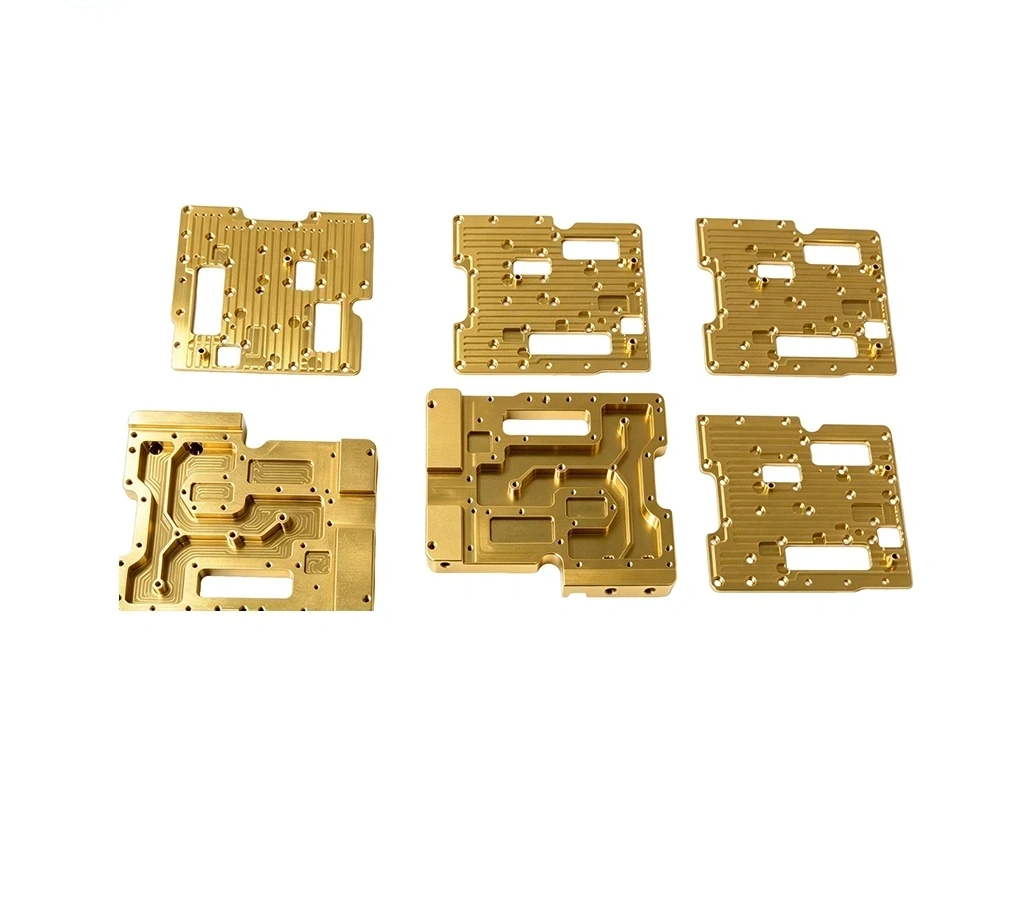
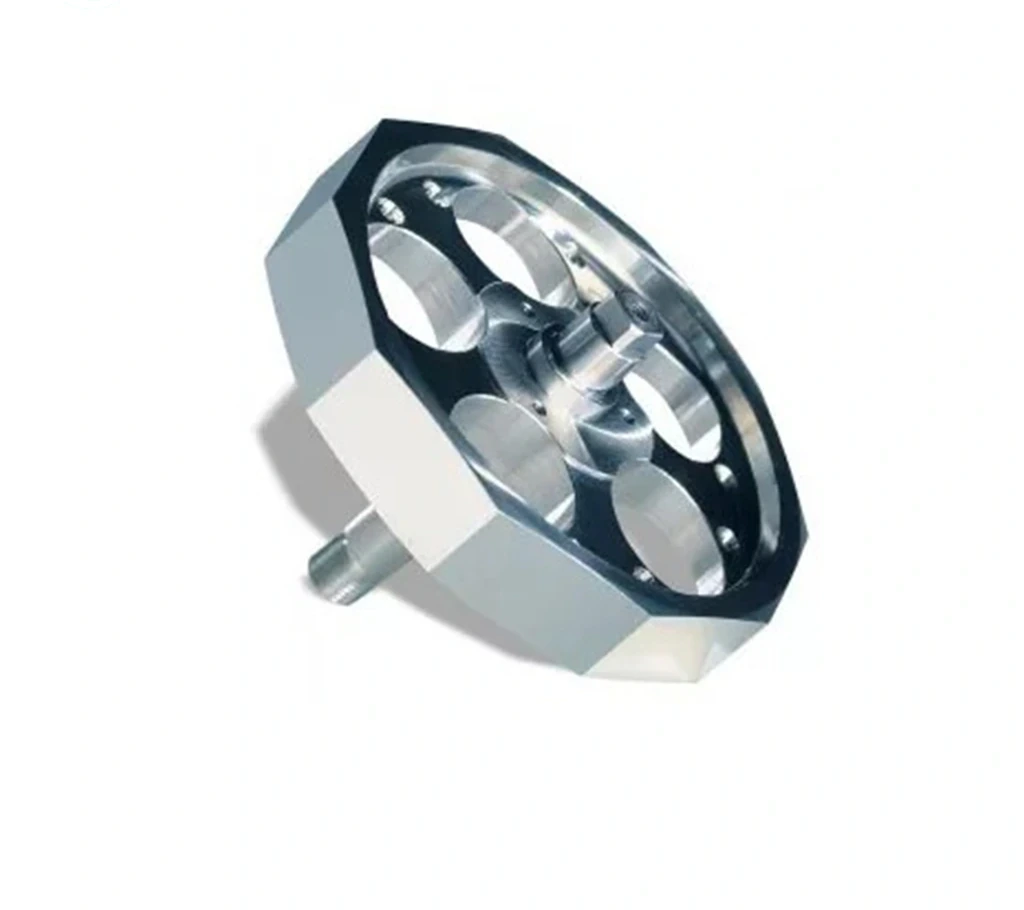
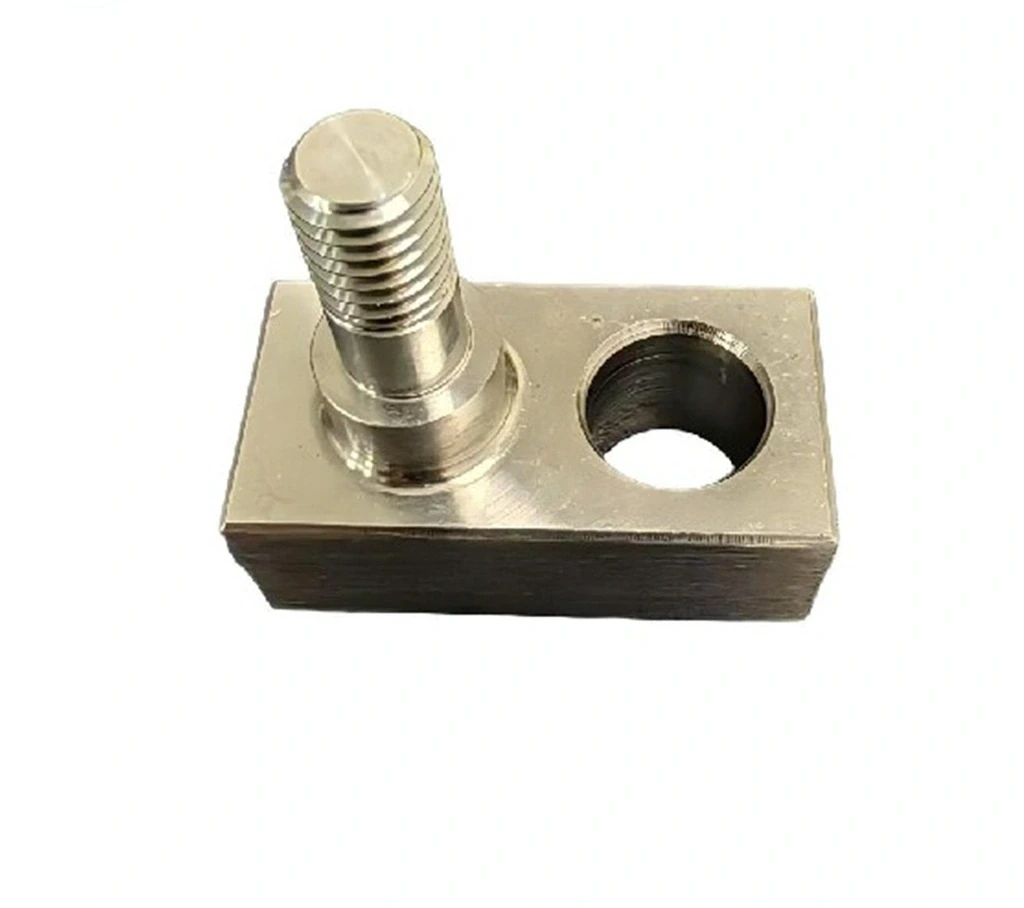
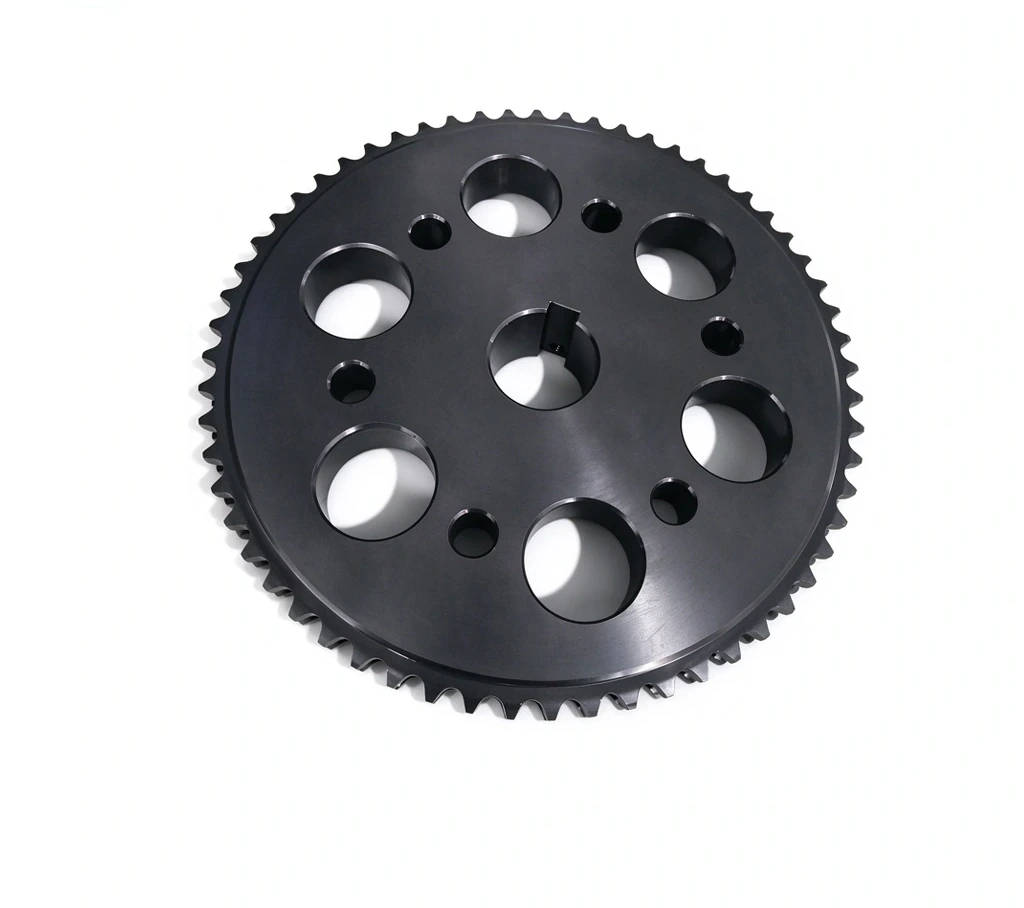
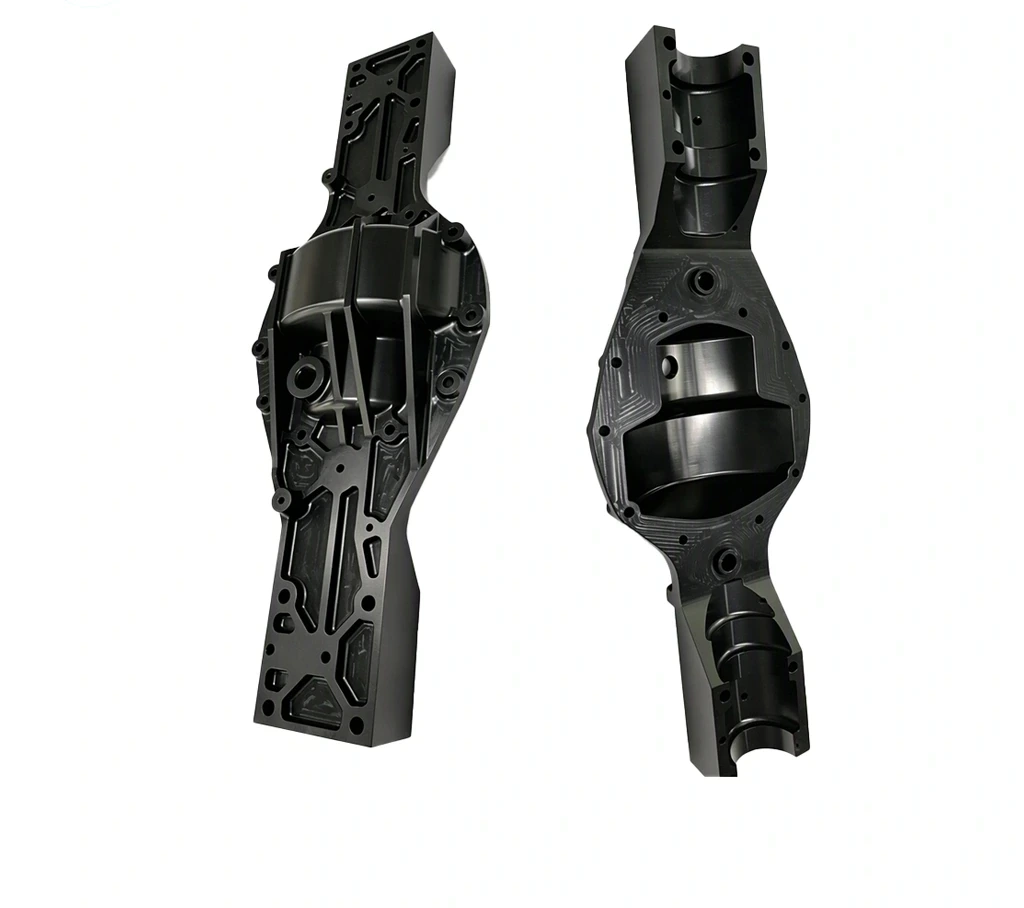
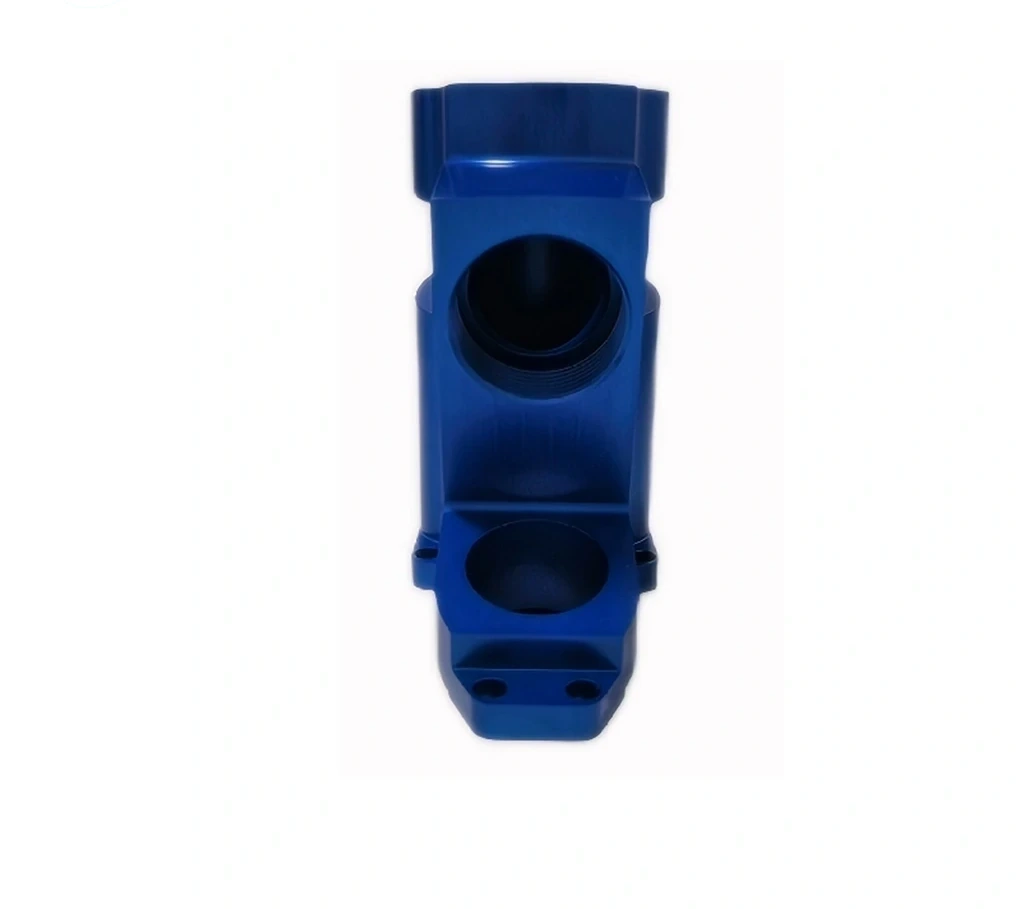
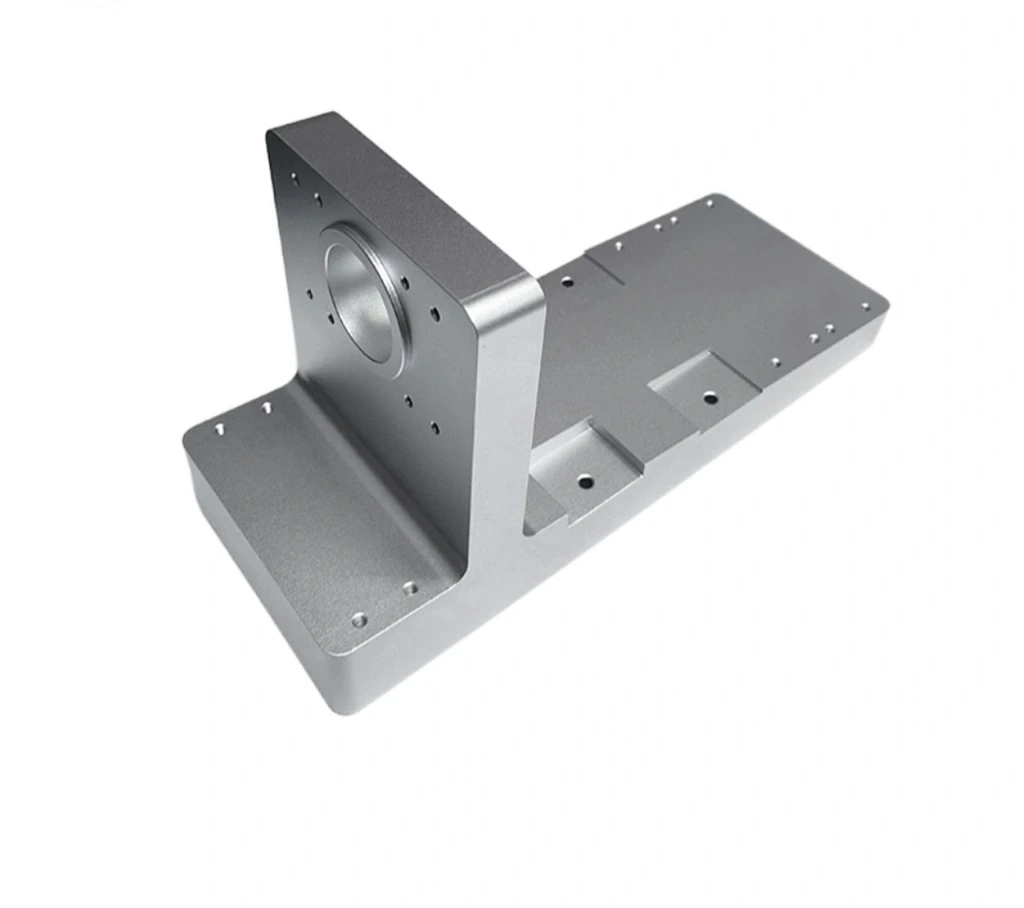
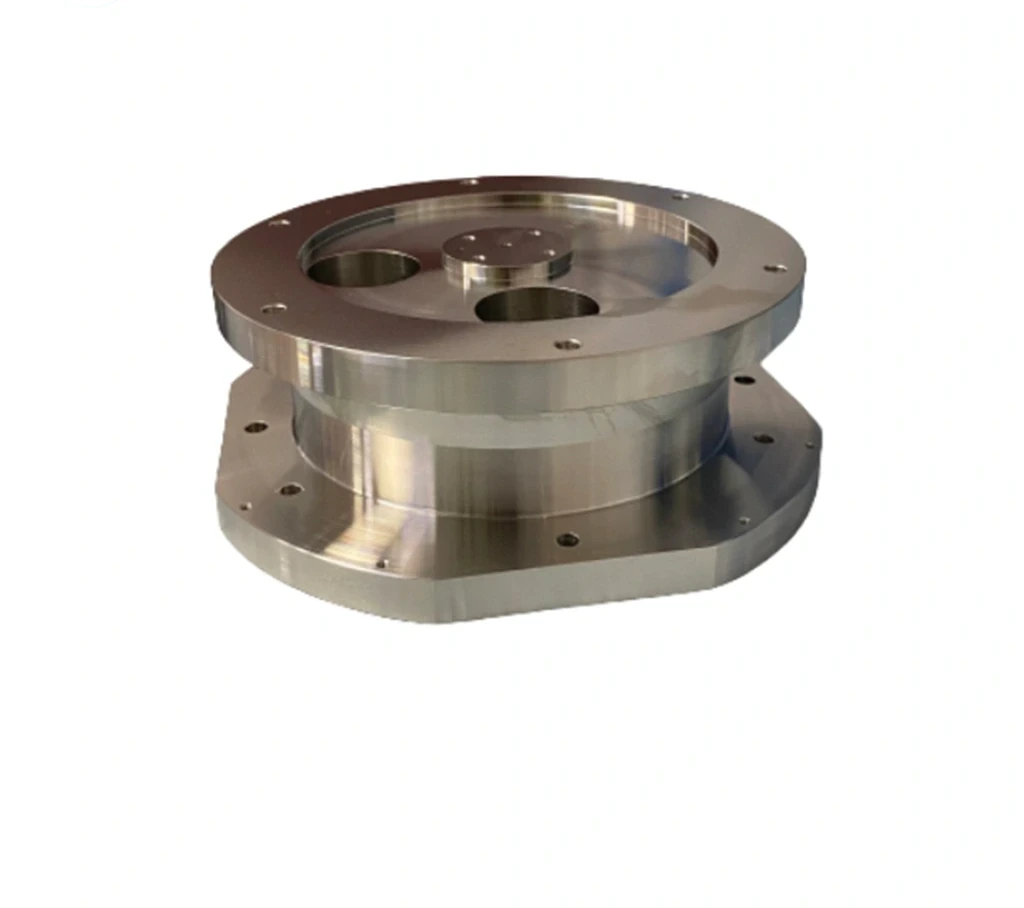
Finishing decides how your parts look and how long they survive in the field. We treat it as part of the tolerance chain: critical surfaces are masked or machined after coating, coating thickness is verified against your call-out, and nothing ships without our QC release. Send your drawing and spec — we confirm the right finish for your material and environment before quoting.
CHOOSING A FINISH
Choosing a finish from what the part has to do
A finish is chosen from the job the surface does — corrosion, wear, conductivity or appearance — rather than from a catalogue. The same aluminium housing is finished differently depending on whether it sits outdoors, carries current, or is seen by the end user.
- Corrosion resistance: passivation on stainless, anodizing on aluminium, plating on steel
- Wear resistance: hard anodizing, hard chrome or plasma nitriding on sliding and guiding surfaces
- Conductivity: alodine (chem film) where a housing has to keep bonding to earth
- Appearance: Type II anodizing in clear, black or colour, or powder coating for a durable matte finish
- Cleanability: electropolishing on stainless for parts that are cleaned in service
Where the drawing does not name a finish, tell us what the part has to withstand and we will say which of these it comes down to.
WHERE THE COATING EATS THE TOLERANCE
Which finishes change the size of your part
Some finishes grow the part and some do not, so the drawing has to say which dimension matters. A coating that builds on the surface changes a bore, a thread fit or a press fit unless the pre-machined size allows for it.
- Anodizing builds on the surface: typically 8–25 μm for Type II clear, black or colour, and 25–100+ μm for Type III hard coat
- Electroless nickel, hard chrome and plating add a controlled layer, so bores and threads are pre-machined undersize
- Passivation, electropolishing and black oxide convert or remove material instead of adding it, with almost no dimensional change
- Threads, seal faces and fits are masked or pre-sized so the finished part still meets the drawing
Where the tolerance and the coating pull against each other, the pre-machined size is agreed with you before the batch is cut rather than discovered afterwards.
WHAT BUYERS ASK
The questions that come with every finishing enquiry
Finishing enquiries carry the questions a machining enquiry does, plus a few of their own, and all of them belong in the quotation.
- Thickness and the specification the coating is applied to, on the line that carries the finish
- Masking: which faces stay bare, and what masking costs as a separate line
- Colour consistency across a batch, since anodized colour can shift when the alloy or the seal differs
- Packaging that protects the finish in transit, with carton dimensions and packed weight quoted
- Freight, delivery time and DDP terms on the same page as the unit price
One-time charges — masking, programming and setup — are listed separately from the unit price so the repeat order is not priced like the first one.
WHO IS RESPONSIBLE
What happens to the parts once they leave the machine
Finishing is done by qualified partners, and responsibility does not pass with the parts. Every batch is re-inspected by our own QC before dispatch, so the part that leaves is the part that was measured.
- Coating applied to the specification on the drawing by a partner who runs that finish every day
- Thickness, adhesion and appearance re-checked on every batch before dispatch
- Dimensions verified on a CMM before shipping, so a coating that moved a fit is caught here rather than at your line
- Material and process documents collected with the batch and sent with the parts
Send the drawing with the finish called out and you get the machining price, the finishing cost and a delivery date inside 48 hours.
QUOTING CHECKLIST
What to send for a finishing quotation
Finishing is priced on the specification and the masking — an unmasked part and a part with ten protected areas are different jobs.
- The finish named to a standard: anodizing type II or III, chemical conversion coating, passivation, electropolishing or powder coating
- Colour to a RAL or a physical sample, when colour matters
- Areas that must be masked — threads, bores, mating faces, conductive contacts
- Base material and its condition, since the same finish behaves differently on cast and wrought stock
- Part size and the rack or jig the part needs in the bath
- Whether the requirement is cosmetic or functional, because that decides the acceptance criteria
- Quantity and the sample or first-off approval route before the batch runs
Send what you have — a model without a drawing, or a drawing without a model, is enough to start the review.
Frequently Asked Questions
Which finish should I specify for an aluminium part that sits outdoors?
Anodizing, usually Type II in clear or black, is the common answer for aluminium used outdoors, because the surface layer is grown from the metal itself rather than deposited on it. Type III hard coat is specified where the surface also has to resist wear.
Does anodizing change the dimensions of my part?
Yes, the coating builds on the surface — typically 8–25 μm for Type II. Bores, threads and fits are pre-machined to allow for that thickness, and the dimensions are verified after finishing so the delivered part meets the tolerance.
Can you finish parts that were machined somewhere else?
We finish the parts we machine, so the dimensions and the surface are under our own control before and after the finishing step. Parts machined elsewhere are looked at case by case.
Do you anodize and plate in-house?
CNC machining, CMM inspection and assembly are in-house. Coatings — anodizing, chem film, passivation, electroless nickel, plating, black oxide, plasma nitriding and electropolishing — are applied by our qualified partner workshops, then every batch is re-inspected by our QC: coating thickness, adhesion and appearance checked against your spec before dispatch. One point of contact, coating documentation included.
Which anodizing types do you offer?
Type II conventional anodize in clear, black or color (typically 8–25 microns) and Type III hard coat (25–100+ microns), specified per MIL-A-8625 or ASTM B580 with a color-tolerance band agreed on an approved standard.
Does anodizing change part dimensions?
Yes — Type III hard coat builds up roughly 50 percent of coating thickness per surface (a 50-micron coating adds about 25 microns per side). We mask critical surfaces or machine after coating where your tolerances require it.
What finish suits stainless steel parts?
Passivation removes free iron and lifts corrosion resistance; electroless nickel adds a hard, uniform layer where wear resistance matters. We recommend per application — not off a price sheet.
Does finishing affect your inspection guarantee?
No. Dimensions are CMM-verified before finishing (or after, when we machine post-coat), and coating thickness is verified on the finished part. Every order ships with FAI and inspection documentation.
BUYER REQUESTS
What buyers actually asked us this autumn
Verbatim lines from enquiries received between August and November 2026; buyer names and companies are withheld. Lines without quotation marks are summarised from the drawing or from the buyer’s own email.
“Supporting documents attached. Please quote with and without black gloss polyurethane powdercoat.”
Haizol RFQ · weldment buyer, United States · Nov 2026
16 µin Ra on the outer cylindrical surface, 0.0005 in geometric tolerance, and a 1/4-28 UNF thread the buyer would not relax.
Buyer confirmation after quotation · motion-control parts, United States · Sep 2026
PRICING
What drives the price of Surface Finishing for CNC Parts
Surface Finishing for CNC Parts is quoted from the drawing, not from a catalogue: material block size, how many setups the geometry forces, the tolerance class and the batch size set the unit price. Machine-hour rates, material block prices and indicative bands at 1, 10 and 100 pieces are published in our CNC machining cost breakdown, so the number can be checked before a drawing is sent. A drawing review returns a quotation within 48 hours, with no minimum order quantity.
Have a Part That Needs Finishing?
Send us your drawing and finish spec — we review within 48h and return a quote with lead time.
Get a Quote →